






The Annexation of the Transvaal in 1877
The concerns of the British
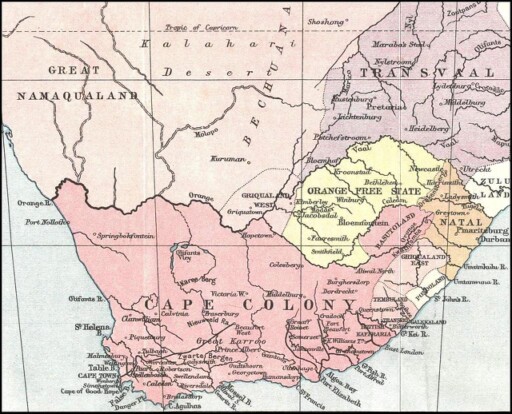
The over-riding concern of the British in South Africa was to maintain the stability of the area so that the strategic port of Cape Town was not threatened in any way. Following the Great Trek of the 1830s the British had decided to leave the Boers alone and allow them to rule themselves. The Bloemfontein Conference, 1854, had confirmed this policy but stability in the area continued to be affected by the wars between the British and the Xhosa in the eastern Cape, and the continued conflict between the Boers and the Zulus. The British had hoped that more settlers would move to South Africa but the difficulty in farming the dry areas meant that the numbers going to the Cape remained small compared to the numbers going to the other white settler colonies.
Discovery of minerals transformed the importance of the region
The discovery of important minerals in the region, firstly diamonds in 1867 and then gold in 1886, was to transform the geo-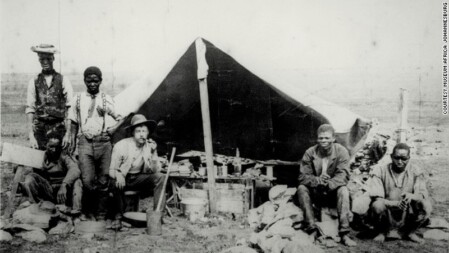

Following the annexation of Griqualand (where diamonds had been found) in 1871, investment and immigrants had been attracted on a huge scale. The town of Kimberley was to become the centre of a huge diamond industry eventually dominated by Cecil Rhodes. British imports into the Cape increased from £2 million in 1871 to £7.7million in 1890 when the value of Cape exports stood at £9.5 million, a third of which came from diamonds. This enabled the Cape government to initiate a programme of public works, particularly railways which gave the colony a network of 2000 miles of track.

The mining companies needed a ready source of labour whcih only the Zulu and Pedi could provide
Native labour was essential for the success of any industrial enterprise
Laying tracks and digging for diamonds was very labour intensive and the obvious labour force would be the black population but for this to happen the native population would have to be pacified. This became more important as the 1870s progressed as black migrant workers particularly the Pedi were beginning to use the money they earnt from digging for diamonds on guns. The Zulu kings were beginning to build up an arsenal making it crucial for the British that all the native tribes be pacified and effectively conquered.
How would this be done when the British government portrayed the Empire as a civilising empire by which the benefits of western civilisation would be conferred on local native peoples? The government in London could not have a clear policy of conquest and annexation. There would have to be a threat to the British settler population or to British workers for the government to act.
Secretary of the Colonies, Carnarvon, wanted to federalise the territories of southern Africa
Secretary of the Colonies in many of the Tory cabinets of this period, beginning with Derby's cabinet in 1866, was the Earl of Carnarvon who had a plan for a South African federation which would include the Cape Colony, Natal, the Transvaal and the Orange Free State. This appeared to be an ideal solution for the British as it would bring stability to the region and given the revenues from diamonds would be self-Transvaal annexed
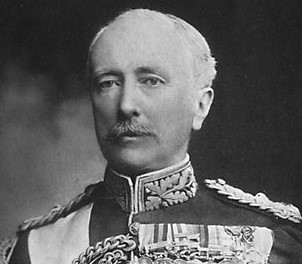
Sir Theophilus Shepstone was the envoy sent to Pretoria to bring about the annexation for which the Boers were initially grateful for they lay defenceless in the face of an attack by the Zulus of Cetewayo. For the Boers this would be a temporary inconvenience, but for Shepstone it signalled the beginning of a federated South Africa with the Boers at last under the control of the British. Before a federation , which would include the Transvaal, the Orange Free State, Natal and Cape Colony, could be constructed, the new Governor of the Cape, Sir Bartle Frere, decided it was necessary first to destroy the power of the Zulu nation. He had no authority to do this as Disraeli had explicitly ordered him not to do anything to worsen relations with the Zulu. What he did in disobeying orders was typical of a time when written orders from London could take weeks if not months to reach Governors around the world. It was not until railways and the telegraph was fully established that London could keep a close watch on what her officials we doing.
Sir Theophilus Shepstone was the envoy sent to Pretoria to bring about the annexation for which the Boers were initially grateful for they lay defenceless in the face of an attack by the Zulus of Cetewayo. For the Boers this would be a temporary inconvenience, but for Shepstone it signalled the beginning of a federated South Africa with the Boers at last under the control of the British. Before a federation , which would include the Transvaal, the Orange Free State, Natal and Cape Colony, could be constructed, the new Governor of the Cape, Sir Bartle Frere, decided it was necessary first to destroy the power of the Zulu nation. He had no authority to do this as Disraeli had explicitly ordered him not to do anything to worsen relations with the Zulu. What he did in disobeying orders was typical of a time when written orders from London could take weeks if not months to reach Governors around the world. It was not until railways and the telegraph was fully established that London could keep a close watch on what her officials we doing.
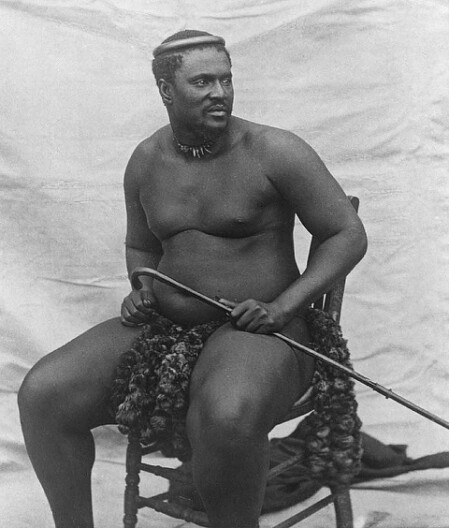
The Zulus, under the leadership of Cetewayo, were themselves increasingly concerned at the British annexation of the Transvaal and what it meant for them as the Boers were the traditional enemies of the Zulus.
War launched against the Zulu
Throughout 1878 the Zulus were seen as being more and more aggressive particularly towards British missionaries. Missionaries were reporting to Frere incidents of torture and the murder of converts. In May 1878 the Reverend Filter asked for help for his community of 160 at Luneberg, Transvaal believing it to be threatened by the Zulus. In July a force of 100 Zulus crossed the Tugela into Transvaal to take two Zulu women who had taken refuge - women who they subsequently killed. Events such as these convinced that he had to act to destroy the power of the Zulus.
Throughout 1878 the Zulus were seen as being more and more aggressive particularly towards British missionaries. Missionaries were reporting to Frere incidents of torture and the murder of converts. In May 1878 the Reverend Filter asked for help for his community of 160 at Luneberg, Transvaal believing it to be threatened by the Zulus. In July a force of 100 Zulus crossed the Tugela into Transvaal to take two Zulu women who had taken refuge -

Lord Carnarvon ordered the annexation of the Transvaal without the explicit authorisation of London
Although the conflict with the Xhosa in the Eastern Cape had come to an end in 1878, Frere asked London for more soldiers to deal with the situation but wars in Afghanistan and the possibility of war with Russia over Constantinople brought a refusal from London, both for troops and for any war with the Zulus. Despite this Frere and Shepstone determined to bring the situation with the Zulus to a head. Another telegram from London had been sent to Frere reiterating the Government's opposition to war but before Frere had seen it a group of English envoys met with Zulu leaders on the banks of the Tugela river, and in a four hour speech Frere read out a list of demands for Cetewayo to consider, including the disbanding of the Zulu army, the abrogation of the Zulu laws on marriage and the handing over of those Zulus responsible for the murder of the two captured women. Cetewayo was given twenty days to respond. When no response had been received by 1 January 1879, Frere had his excuse to wage war on the Zulu nation.
At daybreak on 20 January a force of 1,200 troops led by the new commander in chief in South Africa Lord Chelmsford crossed the Buffalo to establish a camp at Isandlwana. Leaving the main force to establish the camp, Chelmford took a reconnaissance force to search for the main Zulu force thought to be to the south. Whilst Chelmsford was still away from the main force, it was attacked and all but wiped out by a Zulu force that had enveloped them. Only six men survived. In defiance of orders a Zulu force of 3-4000 then crossed into Natal and attacked the mission station at Rorke's Drift which was defended by 139 men from the 24th regiment, many of them invalids.

The Battle of Isandhlwana
In a battle that lasted over twenty fours the attacking Zulus were beaten off suffering losses of 500 dead. The Zulus were exhausted from their endeavours at Isandlwana and had not eaten for two days and could not get the better of the British fire power. Eleven soldiers at Rorke's Drift were awarded the Victoria Cross as a propaganda exercise designed to mitigate the impact on the nation of the severe defeat at Isandlwana.
Chelmsford had attacked Cetewayo in complete defiance of the British government that had replaced him Wolseley. Wolseley had learnt in May that he was to be sent to Africa to make peace with the Zulus and to safeguard existing British territories. Wolseley reached Cape Town on 23 June 1879 and Durban on 28 June. It was whilst he was at Pietermaritzburg that he heard that Chelmsford was defying orders and marching on Ulundi with 4000 British soldiers and 1000 native allies.
Ulundi
On 4 July Chelmsford attacked and defeated the Zulu army of 20,000 defending their main camp at Ulundi. Even though Cetewayo had urged the use of guerrilla tactics the Zulus did not change their tactics and the British this time kept their army together and in the attack on Cetewayo's stronghold used the traditional tactics of the red-square to concentrate their fire power and defeat the frontal attacks of the Zulus. Chelmsford though decided to vacate Ulundi without capturing Cetewayo.
Wolseley left to pacify the Zulu
It was left to Wolseley to arrange the surrender of the Zulu chiefs which he had done by mid-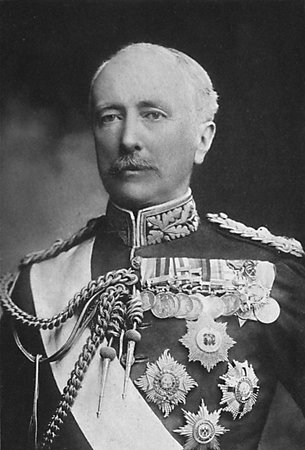
General Wolseley
The pacification of the Zulus removed a threat to the Boers who had never accepted British rule. General Wolseley made it clear in a meeting with Joubert that British rule was irrevocable but once the Boers realised this, they rebelled. This first Boer war ended with the defeat of a small British force under the command of Colley at Majuba Hill on 27 February 1881. Wolseley had made it clear to the British government that the Transvaal was rich in minerals and that gold had already been found. The new government in London though decided to drop plans for federation and restore Boer independence. In negotiations at Pretoria (1881) and London (1884) independence was conceded although the British government clung to the notion that they still had sovereignty over the Boer republic - this was part of the justification for the war in 1899.
The takeover of the Transvaal, the war against the Zulus and the subsequent establishment of protectorates in Basutoland and Zululand were not necessarily the wish of the government, not even of Disraeli's government, but the responses to individual crises by local officials on the spot. What happened in Zululand was enough for Gladstone to come out of retirement. Brimming with moral outrage at the actions of the Disraeli government Gladstone embarked on the Midlothian Campaign. The Liberal victory in 1880 he took as a victory against the Imperialist policies of his opponent and against flag waving but once in power the government continued the policies of free trade and protecting Britain's commercial interests abroad.