



The Jamaican Slave Rebellion of 1831

The Slave Rebellion at Roehampton Estate, January 1832
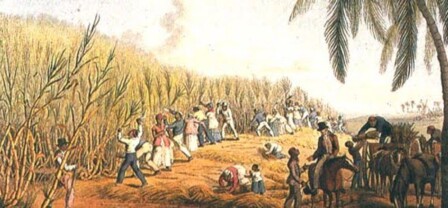
A Strike escalates into a Huge Rebellion
In the week before Christmas 1831, a strike by slaves
in Jamaica escalated into the largest slave rebellion the island had ever seen.
The slaves were certain that the British government was about to grant their
freedom, and that the New Year would usher a new period of freedom. The strike quickly spread, with the general acceptance
amongst the slaves who had gone on strike, that
they would not return to the sugar plantations until after the Christmas
holidays, when they expected to be free.
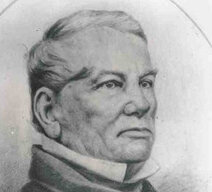
The inspiration behind the strike was Sam Sharpe, a
slave who worked as a domestic servant on an estate in Montego Bay. He was
regarded as a Baptist preacher and described by the Rev. Henry Bleby, a
Methodist missionary, as one of the most remarkable and intelligent slave he
had ever come across. More than 200,000 slaves took part in this uprising
which was one of the last rebellions before the abolition of slavery, in 1833,
and the largest since the uprising in Haiti in 1791. The scale of this uprising
had a profound effect on the British House of Commons and along with the
campaign being carried out in Britain, helped to bring about the abolition of
slavery in the British Empire.

Sam Sharpe
It began on 27 December in St James
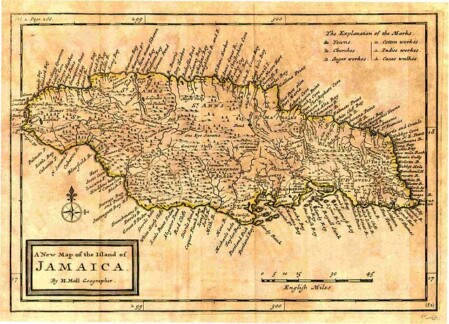
The strike began on the Kensington Estate in St James when the house and sugar works were set alight on the evening of 27 December, and soon there were nearly twenty separate fires in the area. The uprising might have been expected as on a neighbouring plantation at Montego Bay, a woman had been whipped.
Black soldiers began to join
When the police were sent to arrest would be protestors, the whole body of slaves began to prevent the police from arresting anyone. Fearing retaliation if they did not act first the slaves disarmed the police and then disappeared into nearby woods. News of what had happened led the slaves from neighbouring plantations to join the Montego Bay slaves and soon black soldiers had joined the rebellion as well bringing with them fifty guns. This force confronted the island’s white militia when it approached and forced the militia back to retreat.
The rebels spread into the local hills garnering
support and burning down the houses of the plantations on which they worked.
Soon there were fires throughout the Great River Valley in Westmoreland and St
Elizabeth, and much of the country between Montego Bay and Savanna-la-Mar was
in the hand of the rebels. The worst fears of the plantation owners had been
realised. For the previous thirty years there had been several smaller
rebellions which had caused some planters to abandon their plantations, and
others to hope that things might not escalate. Some planters fearing for their
future lives even tried to improve conditions on their estates. There was only
so much the authorities could do to prepare for such an event for the white
settlers were greatly outnumbered in all the sugar colonies of the West Indies
and must have feared that a general uprising would happen at some point in the
future.
Martial law declared
Martial law was declared on 30 December, and the
British military commander, General Cotton, established his Headquarters in
Montego Bay and tried to persuade the rebels that the British had not declared
their freedom and that resistance was pointless. The ringleaders were sought
with a reward of £300 being offered for the four leading men: Colonel Johnson,
Colonel Gardner, Captain Dove and Samuel Sharpe.
Resistance cruched with executions
In January groups of slaves were gradually surrounded and resistance crushed. Martial law was extended for a further month and prisoners were executed without a trial. Ninety four slaves were executed in Montego Bay and twenty five were shot in Falmouth. Large numbers were also flogged. Altogether over three hundred slaves were executed during the rebellion and a further three hundred in the weeks after. Over a hundred slaves were transported to penal colonies in New South Wales. Although few whites were killed during the uprising, the white community took their vengeance on their black workers by burning down many of the Christian chapels which they believed had helped to ignite the trouble. The British government compensated the plantation owners for the losses they had suffered, giving them over £200,000 in loans to re-establish their businesses.
The rebellion came at a time when the campaign in
Britain to abolish slavery throughout the British Empire was reaching its peak.
The propaganda campaign of the Anti-Slavery Society had convinced the Grey
government that abolition was necessary,
and that the Government should use its power to improve the
condition of the nation and of those
subjects of the British Empire. The evangelical movement had a huge amount of
support within the political elite and the forthcoming General Election would
strengthen their power in the House of Commons, making abolition of slavery a
very real possibility.
Related Pages